Queensland Health recently released communications to clarify the state’s regulatory obligations for cosmetic nurse injectors in Queensland. These clarifications have thrown the industry into disarray, effectively rendering nurse-led cosmetic clinics financially unviable. So, has anything actually changed, and what do Queensland Health regulations require?
Are there any changes?
There are no changes to the Medicines and Poisons Act 2019 or the Medicines and Poisons (Medicines) Regulation 2021. Rather, Queensland Health has revised their advice to clarify the obligations of cosmetic injectable clinics; this clarification is largely for the purpose of registered nurse (RN) entrepreneurs and the medical models that support them (Queensland Health, 2025a).
What does a typical nurse-led cosmetic injectable clinic look like?
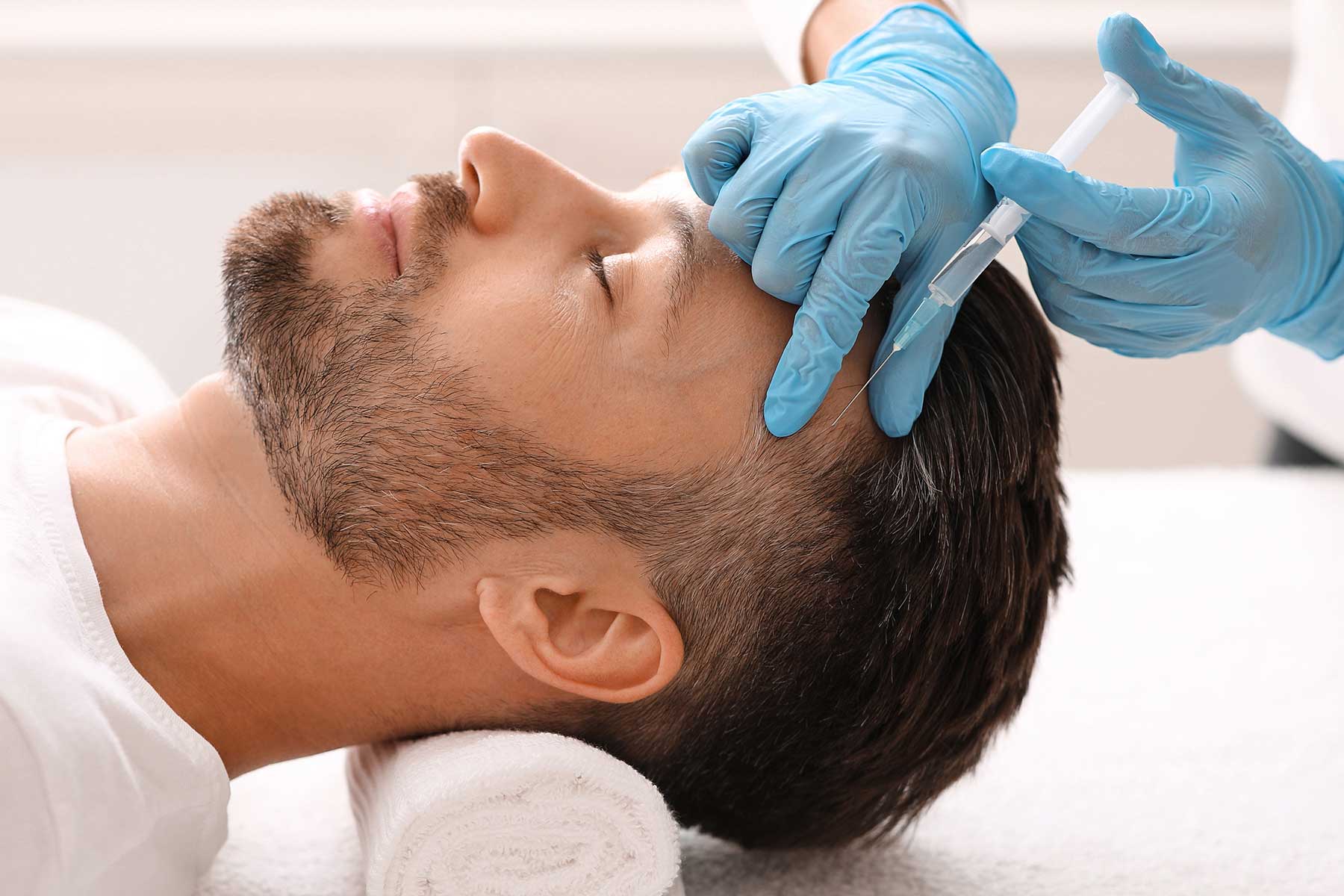
A typical nurse-led cosmetic injectable clinic operates in a partnership model with a telehealth doctor or nurse practitioner (NP). The doctor/NP reviews the patient via telehealth, and where appropriate, prescribes treatment for the patient. A store of medicines (injectables) purchased using the doctor/NP’s provider number is kept onsite at the nurse-led clinic, and the nurse then administers the medicines in accordance with the doctor’s prescription. The RN is responsible for managing the clinical governance of the clinic (including, but not limited to, patient records, infection control, management of complications/emergencies) and practicing in accordance with professional standards.
The Queensland nurse-led cosmetic injectable business model
Queensland Health has clarified that nurse-led cosmetic injectable clinics can continue to operate with medications (injectables) being prescribed by a telehealth doctor. However, it has now explicitly stated that nurse-led clinics without a doctor/NP onsite can no longer store medications for administration.
Injectable medications in cosmetic clinics can only be held and controlled by an onsite doctor or NP, otherwise known as exclusive custody. Nurse-led clinics typically do not employ doctors or NPs onsite, more commonly, doctors and NPs will consult via a telehealth mode. Hence, this change introduces an additional step in the care process for patients, requiring them to have the medication/injectable dispensed offsite by a pharmacist, doctor or NP and then returned to the nurse-led clinic for the treatment injections. Only after the medication has been dispensed can the RN administer it to the patient (Queensland Health, 2025b).
Cosmetic nurse injectors can still operate their own clinics – what is the problem?
The cosmetic industry offers nurses a unique opportunity for private entrepreneurship in a flourishing industry. While nurse-led cosmetic clinics can still operate under their typical model in Queensland, the regulatory requirement to have medications dispensed offsite causes problems for financial viability:
- The Queensland nurse-led model requires a patient to have two separate appointments (one for prescribing, one for administration), making the nurse-led model less attractive to patients,
- Nurse-led clinics lose essential income generated from sale of products,
- Opportunity for nurse entrepreneurs to partner with doctors and NPs is limited and likely expensive,
- There is limited opportunity for nurse entrepreneurs to co-locate with doctors and NPs.
While nurse entrepreneurs may be considering co-location with doctors and/or NPs to enable on-site access to medications, the medication will likely need to be either prescribed or dispensed by the onsite doctor or NP. This raises the possible scenario of the co-located doctor or NP needing to not only prescribe, but dispense the medication, instead of the nurse simply using onsite medications per a prescription. Complications could arise around whether medications are being supplied, especially when considering how the two separate businesses would manage financial transactions related to medications. Ultimately, both onsite prescribing and/or onsite dispensing for nurse-led clinics would be cumbersome to manage and costly, effectively rendering the current nurse-led cosmetic injectable clinic financially unviable in Queensland.
But is patient safety improved?
Cosmetic injectables nursing is an advanced area of practice that historically has been under-regulated. Regulators such as Ahpra are now providing guidelines to support non-surgical cosmetic practitioners and ensure these practitioners are suitably qualified and experienced (Ahpra, 2024; Ahpra, 2025). These measures are a genuine attempt to support patient safety and ensure public confidence in the capability of cosmetic nurse injectors to provide quality care, and manage risks and complications.
The Queensland Health approach that effectively out-regulates nurse injector clinics by bureaucracy is a missed opportunity to genuinely improve care for cosmetic patients. The role of nurses in medication management, acquisition, storage (including cold-chain storage) and administration is well understood, not to mention an expected component of the nursing role (particularly in the context of primary care clinics) (APNA, n.d.). The issue of patient safety is not with nursing management of medications, rather the other problems that can arise with cosmetic injectables; allergic reactions, blocked vessels, or facial droop (that may be due to anti-wrinkle injections, or something more sinister). These are real and serious risks that require cosmetic nurse-led clinics to have robust clinical governance frameworks that respond to clinical incidents and a quality process to mitigate future risks. Simply preventing nurses from managing medications does not improve patient safety.
Cosmetic injectable nursing is attractive for many reasons, including flexible/sociable work hours, good remuneration, career advancement and the opportunity to own your business (Cosmetic Nursing, n.d.) – working conditions that are few and far between for nurses. The industry is forging new paths for nurse entrepreneurs, which will inevitably lead to further development in the nursing profession. It is understandable that there are patient safety concerns in the context of a historically under-regulated area of practice. However, the vast majority of cosmetic nursing businesses deliver safe and quality patient care and provide proof of concept for independent nurse-led clinics generally. Further, preventing nurses from being able to manage medications renders nurse-led cosmetic clinics in Queensland financially unviable and risks driving cosmetic injectable businesses underground. If patient safety was the predominant concern, there are better ways to address this by regulating the clinical governance of nurse-led cosmetic clinics.
References
Ahpra. (2024). Performing non-surgical cosmetic procedures. https://www.ahpra.gov.au/Resources/Cosmetic-surgery-hub/Cosmetic-procedure-guidelines.aspx
Ahpra. (2025). Booming billion-dollar cosmetic industry on notice with new cosmetic procedures guidelines. https://www.ahpra.gov.au/News/2025-06-03-New-cosmetic-procedure-guidelines.aspx
APNA. (n.d.). The nursing role in general practice accreditation. https://healthypractices.apna.asn.au/wp-content/uploads/2015/04/The-nursing-role-in-general-practice-accreditation.pdf
Queensland Health. (2025a). Medicines in beauty treatment/cosmetic businesses. https://www.health.qld.gov.au/__data/assets/pdf_file/0038/1393994/fs-cosmetic-injectables.pdf
Queensland Health. (2025b). Medicines in beauty treatment and cosmetic injectable businesses. https://www.health.qld.gov.au/system-governance/licences/medicines-poisons/medicines/cosmetic-injectables