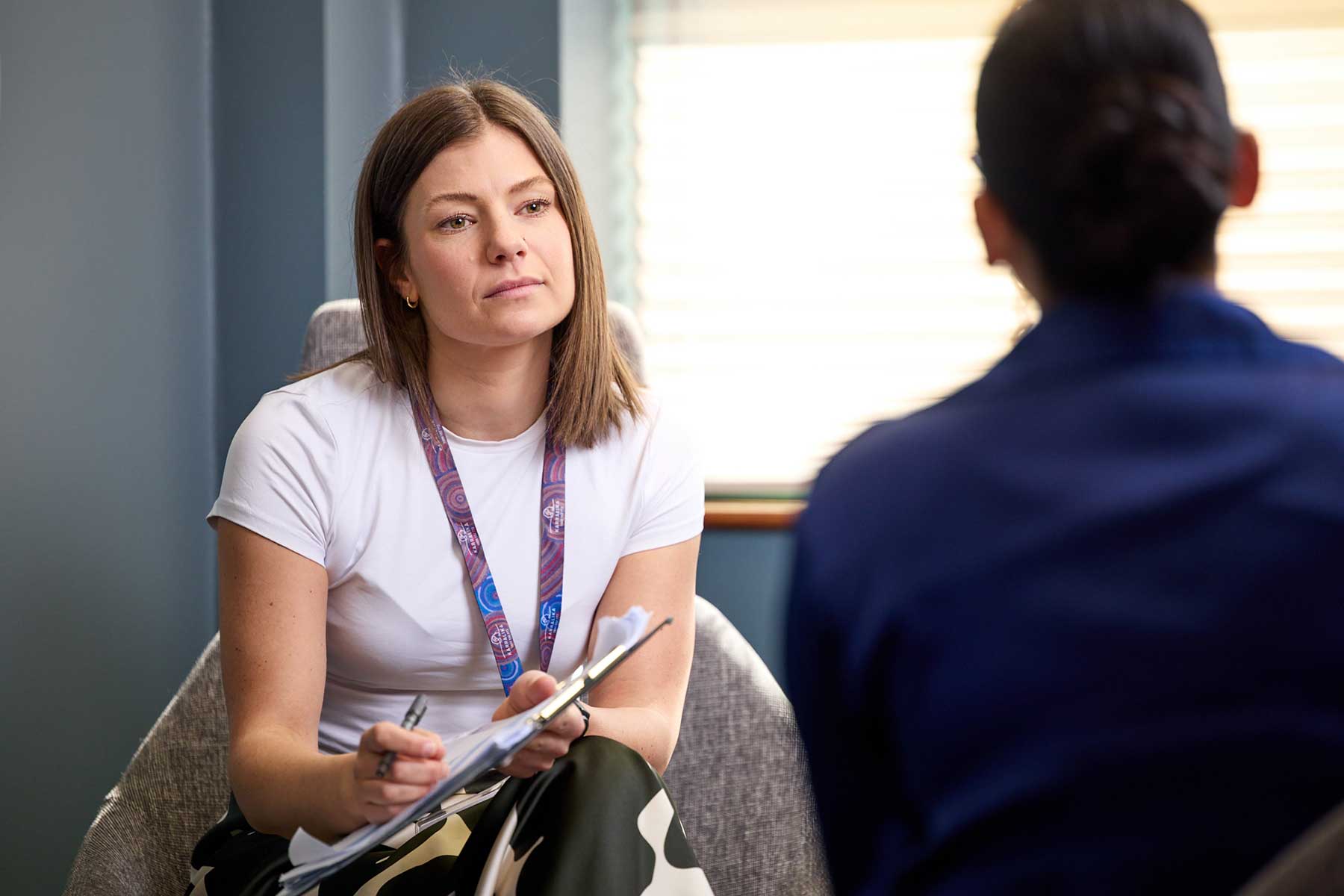
Alcohol and Other Drugs (AOD) use in Australia is a vital area of practice that requires nurses to navigate a complex web of clinical, psychological, social, and cultural issues. As frontline healthcare professionals, nurses play a crucial role in prevention, early intervention, treatment, and ongoing support for individuals affected by substance use. With Australia continuing to face significant challenges related to alcohol and drug use, comprehensive education and training for nurses has never been more important.
The scope of the problem
Substance use continues to place a substantial burden on individuals, families, communities, and the healthcare system in Australia. According to the Australian Institute of Health and Welfare [AIHW] (2025a):
- 31% of people aged 14 and over consumed alcohol in ways that put their health at risk.
- 11.5% of people used cannabis (the most widely used illicit drug in Australia).
- Amphetamines and other stimulants account for over 10% of drug-related hospitalisations.
- Tobacco use contributed to 7.6% of the total disease burden.
- Opioids are the most common drug group associated with unintentional drug-induced deaths (Penington Institute, 2024).
Substance use contributes to a wide range of health and social issues, including mental illness, chronic disease, family breakdown, homelessness, and criminal justice involvement. In 2023–24, nearly 140,000 clients accessed publicly funded AOD treatment services, with alcohol being the most common principal drug of concern (AIHW, 2025b).
The role of nurses in AOD care
Nurses are often the first point of contact for people experiencing substance-related issues. Whether in emergency departments, general practice, correctional health, mental health, or specialised AOD services, nurses are tasked with providing compassionate, non-judgmental, evidence-based care.
AOD nursing practice is complex. It requires knowledge of pharmacology, withdrawal management, trauma-informed care, dual diagnosis (mental illness and substance use), cultural safety, motivational interviewing, and harm minimisation strategies. The stigma surrounding substance use can also impact care delivery, making it essential that nurses approach their work with empathy and cultural humility.
Accessing AOD services can be particularly challenging for individuals from diverse populations, including Aboriginal and Torres Strait Islander peoples and those from culturally and linguistically diverse (CALD) backgrounds. These groups often face additional barriers such as language difficulties, stigma, and a lack of culturally appropriate services (AIHW, 2024). Similarly, people with diverse gender identities and sexual orientations may encounter discrimination and a lack of awareness from healthcare providers, further limiting their access to necessary care (Australian Human Rights Commission, 2020).
Challenges and complexities
Nurses working with clients with alcohol and other drug (AOD) issues face a unique set of challenges that reflect the complexity of substance use and the broader social issues that intersect with addiction. These challenges are both systemic and personal, and they significantly influence the delivery of safe, effective, and compassionate care. These challenges include:
- Stigma and discrimination: Both societal and institutional stigma can hinder patients’ access to care and impact nurse-patient relationships.
- Workforce shortages: There is a growing demand for nurses to be upskilled in AOD treatment, yet most nurses lack the specialist training required to manage complex substance use presentations. Without adequate training and support, nurses often suffer increasing stress and service inefficiencies.
- Rapidly evolving drug trends: The emergence of new psychoactive substances, changes in drug markets, and evolving patterns of use require continuous upskilling.
(Horwitz, 2024; NSW Health, 2024)
The importance of education and training
These challenges underscore the urgent need for robust education, training, and workplace support systems. Empowering nurses with evidence-based knowledge, cultural competence, trauma-informed practices, and reflective supervision can enhance resilience and improve outcomes for both clients and healthcare professionals. Investment in these areas not only benefits the nursing workforce to support clients with AOD addiction but also contributes to a more inclusive and responsive healthcare system.
Education is key to improving health outcomes and building nursing workforce capacity in all settings. Comprehensive AOD education enhances nurses’ confidence, clinical reasoning, communication skills, and ability to manage risk.
The Australian College of Nursing (ACN) offers several initiatives aimed at strengthening AOD education for nurses:
- The Alcohol and Other Drug Series (CPD). This is a comprehensive program offering over 18 hours of learning, designed specifically for nurses and healthcare professionals. It builds essential knowledge and skills for supporting individuals affected by substance use, aiming to deepen understanding of various substances, evidence-based treatment approaches, and the diverse needs of affected communities.
- Single Units of Study –
1. Foundational Concepts in Alcohol and Other Drugs Nursing
2. Health Promotion and Harm Reduction in Alcohol and Other Drugs Nursing - Graduate Certificate in Alcohol and Other Drugs Nursing This course aims to provide students with the knowledge and skills necessary to improve health outcomes for those experiencing issues with substance use through the coordination and provision of person-centred care in this growing specialty.
Conclusion
As rates of substance use remain high and service demands increase, nurses must be equipped with the knowledge, skills, and compassion to support individuals and communities. Investment in nurse education and professional development is not just beneficial—it is essential to addressing one of the nation’s most persistent public health challenges.
Author: Judith Smith
ACN Director Professional Development

References
Australian Human Rights Commission. (2020). Ensuring health equality for LGBTQ+ Australians. https://humanrights.gov.au
AIHW (Australian Institute of Health and Welfare) (2024) Alcohol, tobacco and other drug use among people with CALD backgrounds. https://www.aihw.gov.au/reports/culturally-and-linguistically-diverse-australians/alcohol-drug-use-cald
Australian Institute of Health and Welfare. (2025a). Alcohol, tobacco & other drugs in Australia. https://www.aihw.gov.au/reports/alcohol/alcohol-tobacco-other-drugs-australia
Australian Institute of Health and Welfare. (2025b). Alcohol and other drug treatment services www.aihw.gov.au/reports/alcohol-other-drug-treatment-services/alcohol-and-other-drug-treatment-services
Horwitz, R., Brener, L., Prankumar, S., de Jesus, T., Jaworski, A., Jadran, A & Bryant, J. (2024) Understanding cultural inclusion in alcohol and other drug services in New South Wales, Australia and assessing the acceptability of a cultural inclusion audit. Drug and Alcohol Review, 43(7), pp.1798-1808.
NSW Health (2024) NSW Alcohol and Other Drugs Workforce Strategy 2024-2032.
Penington Institute (2024). Australia’s Annual Overdose Report 2024. Melbourne: Penington Institute. https://www.penington.org.au/australias-annual-overdose-report-2024/